Why Recovery Isn’t a Sprint
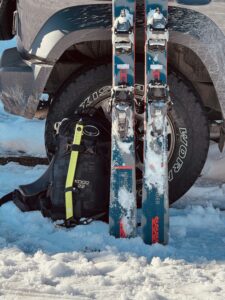
The Winter Olympics are about to begin, and this year they’re adding a new event: ski mountaineering. Skimo, as it’s called. Athletes race uphill on skis with climbing skins, then rip them off for a fast descent, only to climb again. It’s brutal. It’s all about endurance, strategy, and knowing when to push and when to conserve.
I’ve been thinking about the athletes in that event because I know what it’s like to try to sprint a marathon. There was a time when, for me, every day felt like an emergency. I threw everything I had at it. Research. Meetings. Phone calls. I sacrificed sleep. I abandoned my own life. I believed that if I just did enough, tried hard enough, loved fiercely enough, I could fix this.
I was wrong about that. Not about the loving part. But about the sprinting.
Years ago, I watched Winter Olympic endurance athletes being interviewed after their events. You’ve seen them too. Salt stained faces and lips. Sweating profusely while participating in a sport that takes place in frigid temperatures. One was asked how he’d maintained his pace for so long.
“You have to know your limits,” he said. “You have to conserve energy for the parts of the race where you’ll need it most.” I remember sitting there, completely depleted, and thinking: I don’t even know what my limits are anymore. That was the moment I started to understand something. My son needed me for years, not just for this crisis. He needed me to still have something left when he was ready to receive it. He needed me to model what sustainable living and recovery actually looked like. I had to learn to pace myself.
It felt wrong at first. Like giving up. Like loving less. But setting boundaries wasn’t about detachment. It was about deciding what I could sustainably offer and what I needed to protect. Sometimes that meant limiting certain conversations. Sometimes it meant saying no to requests that threatened my own stability. Sometimes it meant carving out time for things that had nothing to do with his problems. Those boundaries weren’t punishments for my son. They were what kept me on the trail. I had to let go of the myth that I had bought into. The one that said suffering more meant loving more. I could love my son deeply and still take care of myself. I could care about his recovery and still maintain my own life. My ability to do both is what allowed me to stay in the relationship for the long term.
In Parallel Recovery®, you’re not running your person’s race for them. You’re running your own race alongside them. Sometimes those paths are close together. Sometimes they diverge. But you’re both moving, both working, both carrying the burden of change. When you pace yourself, when you honor your limits, when you take care of your own recovery needs, you’re showing your person what recovery actually requires. You’re modeling what it looks like to make hard choices in service of long-term wellbeing. Your endurance creates stability they can lean on without draining you completely.
Those skimo athletes know something crucial: the goal isn’t just to summit once. It’s to have enough left for the next climb, and the one after that. They win by respecting the distance. Your person needs you for the whole journey. They need you when they’re struggling, yes. But they also need you when they’re making small changes no one else notices. When they’re scared and considering trying something different. When they’re building a life in recovery and want to share it with someone who never gave up on them.
You can’t be there for all of that if you’ve burned yourself out sprinting.
So pace yourself. Honor your limits. Take care of your own recovery. This isn’t the easy path. But it’s the path that leads somewhere real. Somewhere sustainable. One step at a time. One boundary at a time. One moment of self-compassion at a time.
The trail continues. And so do you.
My hand on your back,
Lisa